Picky Record Logo Picky Record

Tag: beauty-blog

  • Winter Hydration: Layered Moisture Technique


    Winter hydration using layered moisturizing

    Cold weather and indoor heating accelerate water loss from the skin. This makes single-step moisturizers less effective during the winter months.
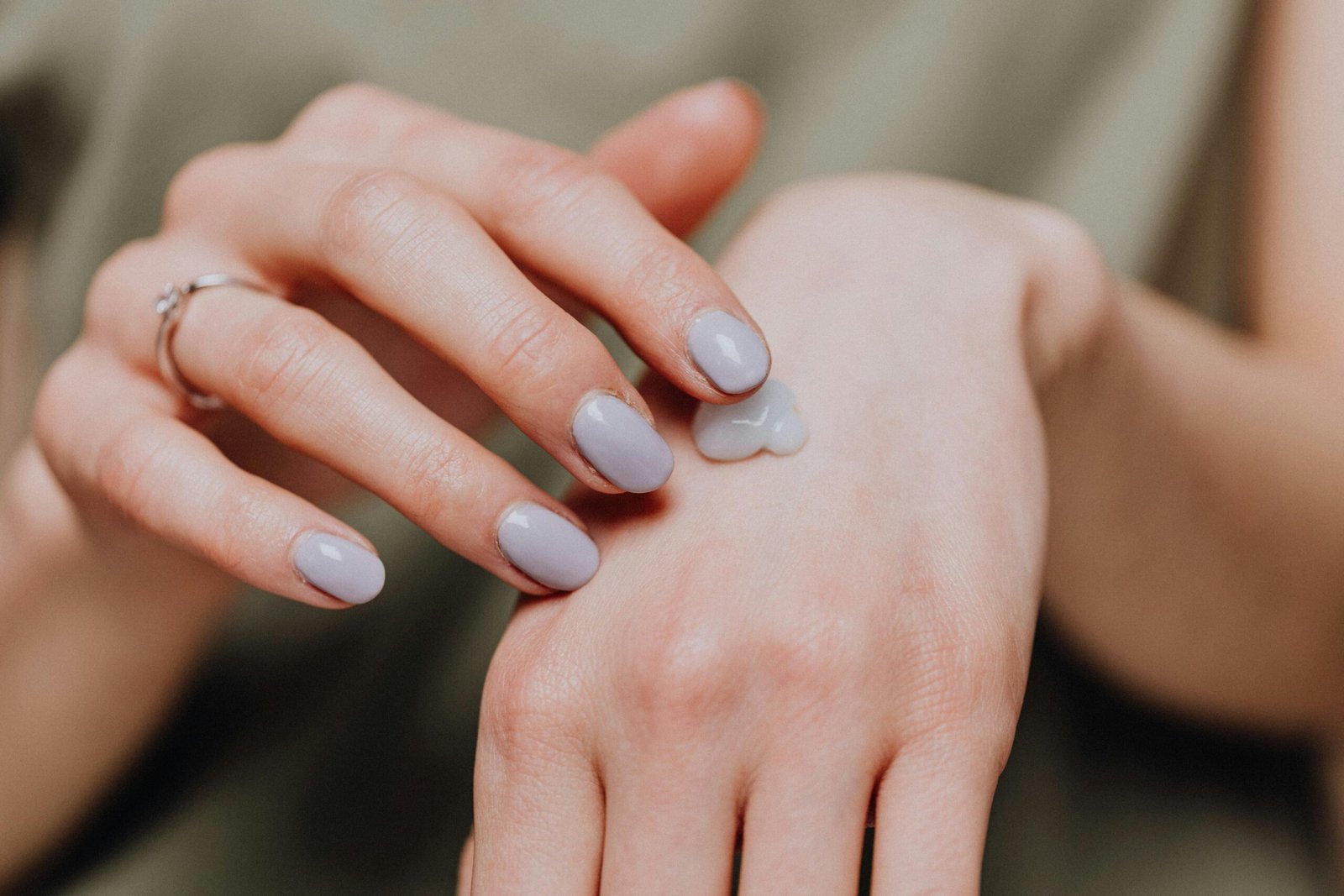
    A woman's hand applying moisturizing cream, emphasizing skincare and nail beauty.

    The Principle of Layered Hydration

    Layering adds hydration gradually without overwhelming the skin. A typical winter layering routine looks like this:

    1. Hydrating toner
    2. Hyaluronic acid serum
    3. Cream moisturizer
    4. Optional: A small amount of facial oil

    Why It Works

    Layering helps maintain moisture for longer by creating multiple “micro barriers.”
    I personally find that pairing a hydrating serum with a ceramide cream works best during severe dryness.


    Conclusion

    In winter, moisture needs to be replenished in layers. Light layers outperform one heavy cream when it comes to long-lasting hydration.
  • The Minimal 4-Step Routine for Oily Skin

    Minimal oily-skin routine in four steps

    1. Why Less Is More for Oily Skin

    Using too many products can overburden oily skin and increase sebum production. A minimal routine helps maintain a balanced oil-water ratio.


    2. Step 1: Cleansing

    Use a gentle cleanser in the morning and a cleansing oil or water in the evening to remove build-up.

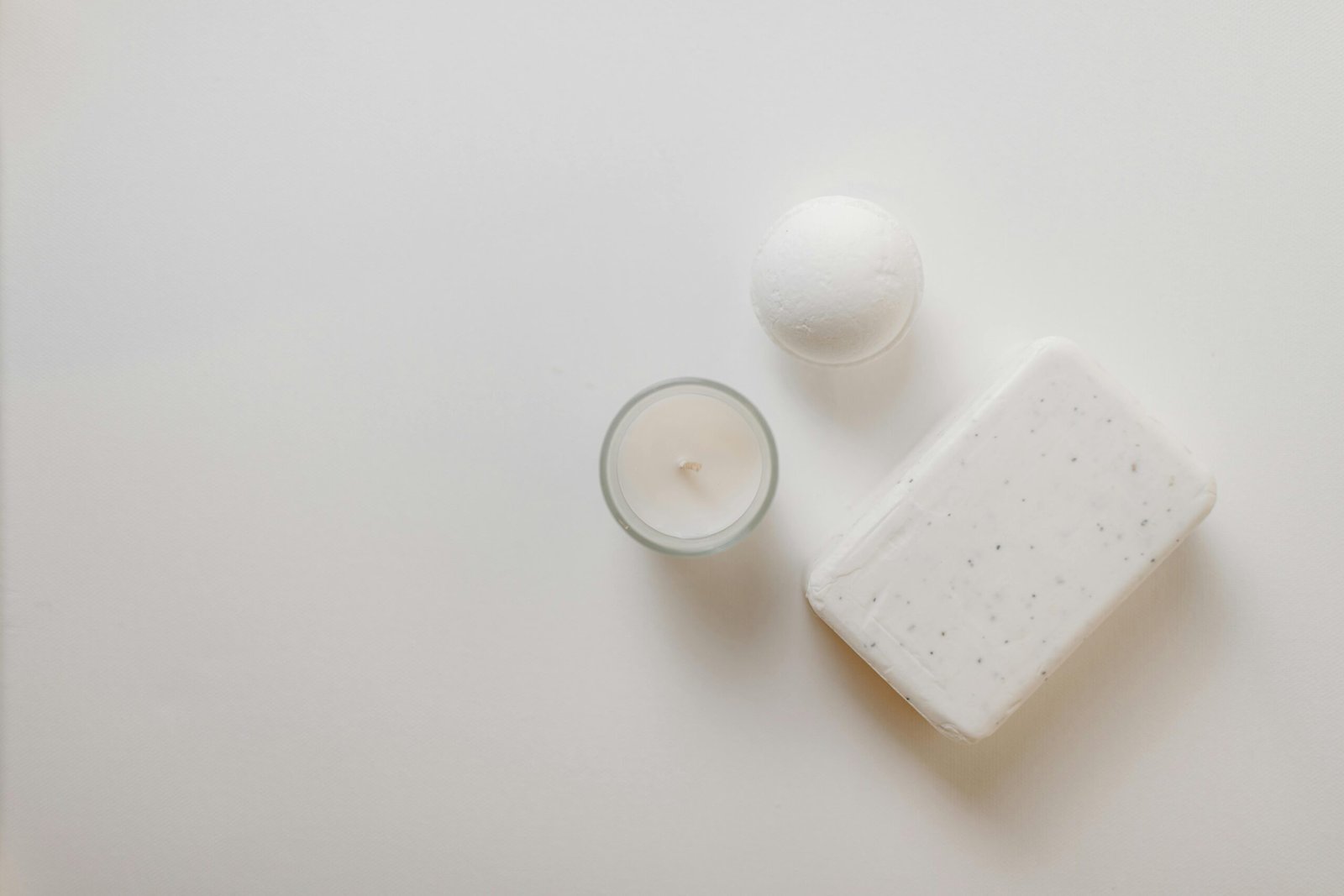
    Flat lay of spa essentials, including soap, candle, and bath bomb on a white surface.

    3. Step 2: Toner

    A lightweight, alcohol-free toner helps prepare the skin for the next step without stripping moisture.


    4. Step 3: Serum

    Niacinamide combined with zinc is particularly effective for oily skin. It supports balanced sebum production and smooths the appearance of pores. I often rely on this combination during warmer months.


    5. Step 4: Sunscreen

    Choose non-greasy, gel-type sunscreens or lightweight mineral formulas to avoid congestion. Consistent use keeps the skin surface steady and protected.


    6. Conclusion

    For oily skin, consistency matters more than quantity. These four steps are enough to keep the skin clear, balanced, and comfortable.

  • About me

    Hi, I’m Picky Recorder.
    I have a skin type that shifted from oily to sensitive over time, and as I entered my 30s, I began dealing with elasticity loss, fine lines, and seasonal irritation. Because of these changes, I now rely heavily on ingredients, texture analysis, and product compatibility rather than marketing claims.

    I created this blog to share real, self-purchased K-Beauty product experiences with anyone who struggles with similar skin concerns. If your skin is oily, sensitive, reactive, or easily overwhelmed by new ingredients, you’ll probably find my routine and test results helpful.

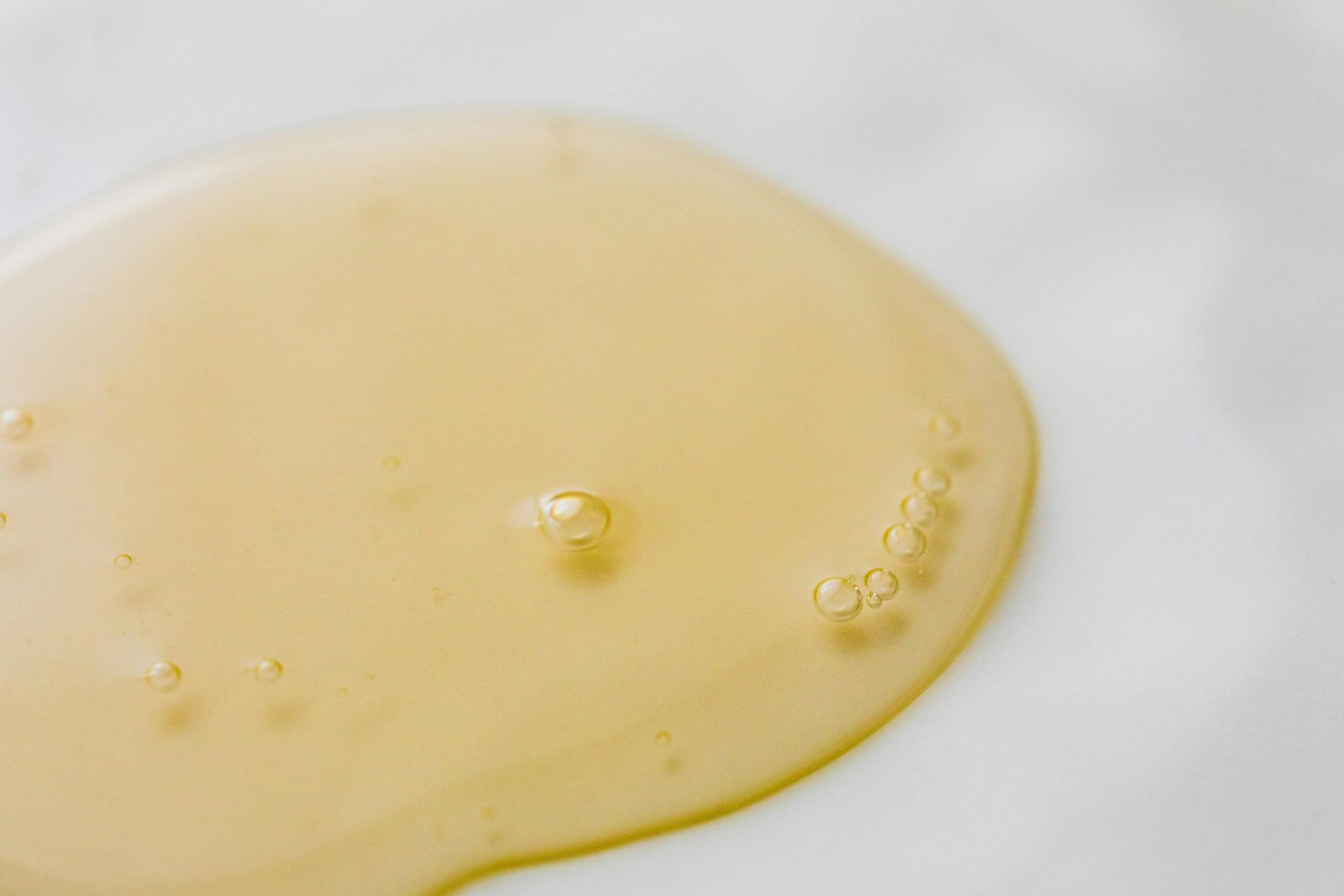
    Close-up of a golden liquid with bubbles on a white surface, showcasing beauty and purity.

    Here, I write about:

    • Real ingredient-based routines
    • Product comparison & texture breakdowns
    • How “oily + sensitive” skin reacts to active ingredients
    • K-Beauty shopping tips, global-friendly skincare guides
    • My honest experiences with niacinamide, retinol, peptides, CICA, ceramides, and more

    I don’t believe in perfect skin—I believe in understanding your skin.
    Every post is written with the goal of helping readers build routines that are stable, gentle, and realistic.

    If you have any product you want me to test or a routine you’re curious about, feel free to leave a comment. I read everything.