Hi, this is Picky Recorder. When I first started skincare, the difference between toner, essence, and serum confused me completely. Korean skincare has many steps, but each one has its own function. Today, let’s decode toner vs essence vs serum and learn how to layer them effectively.
Toner: Preps the Skin
Toner resets pH, hydrates lightly, and prepares the skin for absorption.
Best For:
Hydration
Balance
Prepping for actives
Water-light toners absorb quickly and make serums work better.
Essence: Softens & Conditions
Essence is unique to K-Beauty. It hydrates deeper than toner but lighter than serum.
Benefits:
Softens texture
Enhances absorption
Improves hydration pathways
Fermented essences add extra glow.
Serum: Acts on Targeted Concerns
Serums contain the highest concentration of active ingredients.
Best For:
Niacinamide
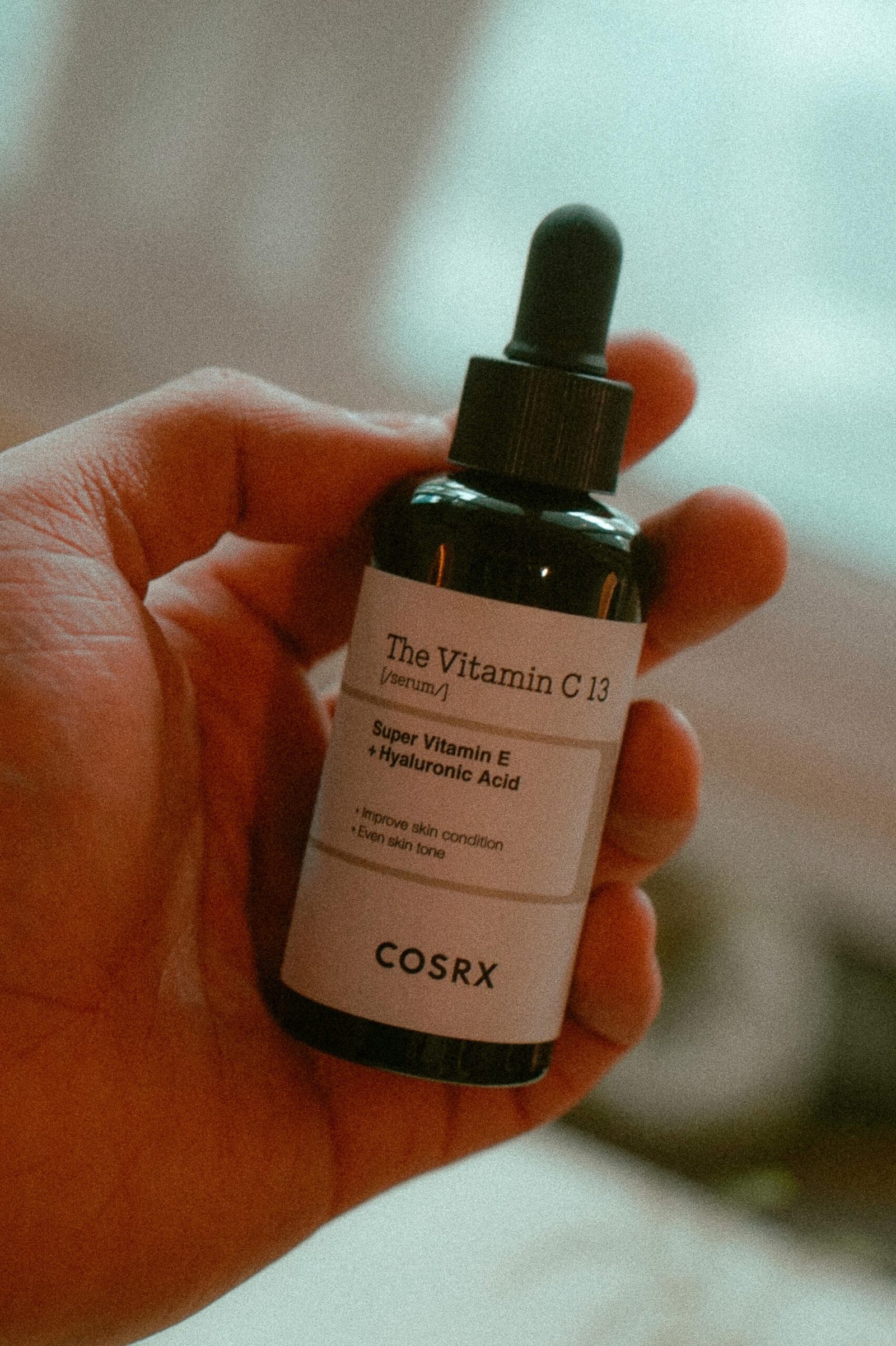
Vitamin C
Retinol
Peptides
Hyaluronic acid
Think of serum as the treatment step.
Layering Order (K-Beauty Standard)
Toner
Essence
Serum
Moisturizer
Sunscreen
This order ensures maximum absorption.
Each step has its own job: toner preps, essence softens, and serum treats. Together, they create a routine that feels luxurious and effective.
Hi, this is Picky Recorder. Cleansing is the foundation of every skincare routine, but oily-sensitive skin like mine requires careful balance. Too much cleansing leads to dryness and irritation. Too little cleansing leaves sunscreen and sebum trapped. Today’s deep guide compares cleansing water vs oil vs foam so you can understand how to cleanse properly.
Cleansing Water: Gentle & Convenient
Cleansing water uses micelles (tiny oil molecules in water) to break down makeup and impurities.
Good for:
Morning cleansing
Minimal makeup
Sensitive skin
Dehydrated or dry skin
Why I Like It:
On days when my skin feels irritated, cleansing water prevents over-cleansing.
Limitations:
Not enough for heavy sunscreen or long-wear makeup.
Cleansing Oil: Deep Dissolving Power
Cleansing oil breaks down sunscreen, waterproof makeup, and excess oil.
Good for:
Heavy sunscreen users
Oily skin (surprisingly effective)
Blackhead reduction
Evening routines
Why It Works for Oily Skin:
Oil dissolves oil, helping unclog pores without stripping.
Caution:
Must be emulsified properly; otherwise, it can cause congestion.
Cleansing Foam: Final Rinse for Fresh Skin
Foam cleansers remove residual impurities after oil cleansing.
Good for:
Oily skin
Acne-prone skin
Evening double cleansing
Choose This Type:
Look for low pH, hydrating formulas that don’t strip.
The ideal method depends on your lifestyle:
No makeup: Water + Foam
Sunscreen user: Oil → Foam
Sensitive day: Water only
Understanding cleansing textures makes your entire routine more effective.
Hi, this is Picky Recorder. When I entered my 30s, the eye area was the first place I noticed changes—fine lines, dryness, and occasional creasing. Today we answer the common question: when should you start using eye cream?
1. Why the Eye Area Ages First
The skin under the eyes is the thinnest on the face. It lacks oil glands, making it prone to dryness and early fine lines. Sun exposure and late nights worsen the appearance.
2. When Should You Start?
Most dermatologists recommend:
Mid–20s if you have dryness
Late 20s for prevention
Early 30s for visible fine lines
I personally started in my late 20s and wish I started earlier.
3. Best Eye Cream Ingredients
Look for:
Peptides: improve elasticity
Hyaluronic acid: hydration
Ceramides: barrier strengthening
Niacinamide: brightening
Retinol (low strength): fine line prevention
Avoid strong fragrances or high-percentage actives.
4. How to Apply Eye Cream
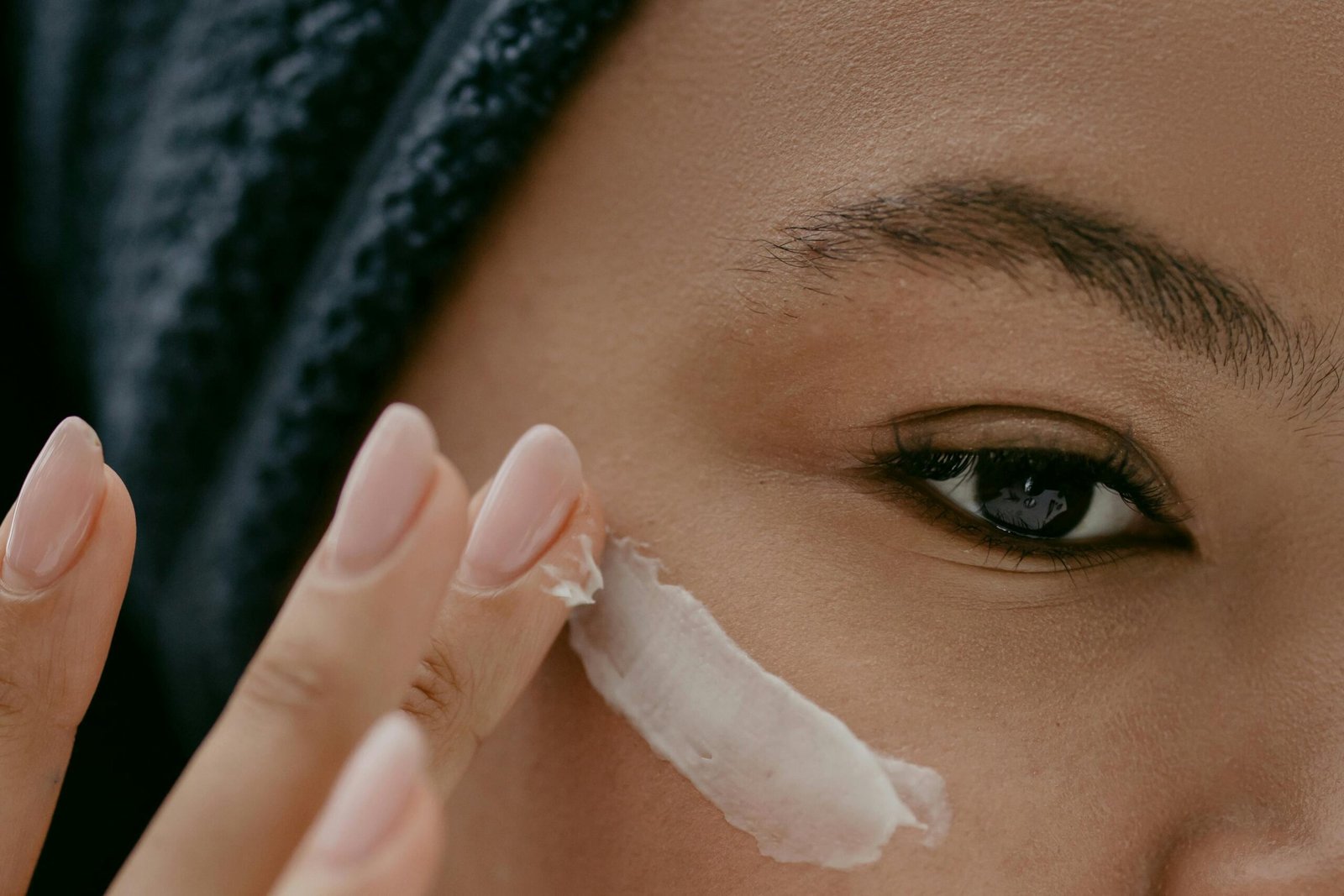
Use your ring finger and tap lightly—never drag.
Apply:
after serum
before moisturizer
Consistency matters more than brand.
Conclusion
Eye cream isn’t about age—it’s about condition. Start when you notice dryness, dullness, or fine lines, and stick with gentle, hydrating ingredients.
Hi, this is Picky Recorder. As someone with oily yet sensitive skin in my 30s, sunscreen became the most important step in my daily routine. But choosing the right sunscreen was confusing—should I use physical sunscreen or chemical sunscreen? They look similar, but the formulas behave completely differently on real skin. Today, we’re exploring physical vs chemical sunscreen in detail so you can choose the one that suits your skin best.
Chemical filters: avobenzone, Tinosorb, octocrylene, homosalate, etc.
Both protect the skin from UV radiation, but they work through different mechanisms. Physical sunscreen reflects UV rays, while chemical filters absorb UV and convert it into heat. The science is simple, but the experience on the skin feels entirely different.
For sensitive skin like mine, knowing the differences is essential.
Physical Sunscreen (Mineral): Pros & Cons
Physical sunscreen forms a protective layer on top of the skin.
Benefits:
Ideal for sensitive skin
Less likely to cause irritation
More stable under sunlight
Works immediately after application
Dermatologists often recommend physical sunscreen for people with rosacea, redness, or easily sensitized skin.
Downsides:
Can leave a white cast
Texture may feel thick
Harder to reapply
Sometimes pills under makeup
Physical sunscreen is calming, but the finish might not be for everyone—especially deeper skin tones.
Chemical Sunscreen: Pros & Cons
Chemical sunscreen absorbs UV rays and disperses them as heat.
Benefits:
Lightweight texture
Easy to blend
No white cast
Works well under makeup
This is why chemical sunscreen is a favorite in Korean skincare—K-beauty focuses on comfort and layering.
Downsides:
May cause stinging for sensitive skin
Needs 15 minutes to activate
Some filters degrade in sunlight
Can irritate the eye area
For extremely reactive skin, chemical filters might feel too strong.
Which Should You Choose?
Based on real use:
Sensitive skin: Physical/mineral
Oily skin: Lightweight chemical gel formula
Combination skin: Hybrid sunscreen
Acne-prone: Physical sunscreen or non-greasy chemical types
There is no “best” sunscreen—only the best for your skin. Understanding physical vs chemical sunscreens helps you build a routine that you’ll actually stick to every day.
Hi, this is Picky Recorder. Chemical exfoliants changed my skin—but only after I understood the difference between AHA, BHA, and PHA. Today’s guide breaks down these three exfoliating acids so you can choose the safest one for your skin.
AHA (Alpha Hydroxy Acids)
Water-soluble exfoliants that work on the skin’s surface.
Hi, this is Picky Recorder. Your 30s bring changes in elasticity, texture, and moisture retention. Today we look at the essential skincare ingredients for your 30s that help maintain long-term skin health.
Niacinamide — The Barrier-Supporting Essential
Niacinamide (Vitamin B3) is one of the most effective and stable ingredients for anyone entering their 30s. It strengthens the moisture barrier, reduces redness, balances sebum, improves elasticity, and helps refine the appearance of pores. What makes it ideal is its gentle nature—my oily-sensitive skin tolerates it beautifully.
When your skin barrier weakens (which naturally happens with age), niacinamide helps rebuild it, making the skin more resistant to irritation. Studies show it also helps even out tone and support collagen. The best concentration for daily use is 4–5%, but sensitive skin can start at 2%.
Retinol — The Gold Standard for Texture, Elasticity & Fine Lines
Retinol is one ingredient that becomes especially valuable in your 30s. It boosts cell turnover, improves skin texture, softens fine lines, and stimulates collagen. Dermatologists worldwide call it the “gold standard of anti-aging ingredients,” and from personal use, I can confirm it makes a visible difference—especially on forehead lines and uneven texture.
But retinol is strong. Sensitive skin like mine requires a careful approach:
Start with low concentration (0.1%–0.3%)
Apply every 2–3 nights
Pair with ceramide cream
Avoid mixing with acids or strong vitamin C on the same night
I use Dr. Different Retinal 0.05/0.1, a Korean retinal product that is gentler but very effective.
In your 30s, “consistency + low irritation” matters more than “high concentration.”
Peptides — The Quiet Elasticity Booster
Peptides act like signals that tell the skin to repair itself. They support elasticity, firmness, and smoothness without causing irritation—making them perfect for sensitive or reactive skin.
There’s no instant dramatic effect, but long-term use helps maintain firmness. Personally, peptide serums are what help my skin stay bouncy and hydrated when using retinol.
Great peptide options:
COSRX Peptide Serum
The Inkey List Peptide Moisturizer
They work extremely well when used in the same routine as niacinamide.
Ceramides — Non-Negotiable for Barrier Repair
Ceramides are essential lipids that form the protective structure of the skin barrier. As you age, natural ceramide levels decrease, causing dehydration and irritation. In your 30s, this shows as:
sudden sensitivity
redness
a tight feeling after cleansing
makeup separating midday
A ceramide cream maintains the barrier, seals hydration, and makes retinol routines much easier to tolerate. My winter essential is Dr. Different Cicamide Cream, which supports barrier recovery without heaviness.
Use ceramides daily in the evening, especially after actives.
Antioxidants — UV & Pollution Protection for Your 30s
Environmental stress accelerates visible aging, which is why antioxidants become incredibly valuable in your 30s. The most popular ones include:
Vitamin C
Vitamin E
Green tea extract
Ferulic acid
Centella asiatica
Vitamin C is especially useful in the morning to brighten skin and prevent pigmentation. Green tea or centella work well at night to soothe and repair.
Consistent antioxidant use = stronger skin against fine lines, dullness, and uneven tone.
Your 30s Routine Should Be Ingredient-Driven, Not Step-Driven
Your 30s aren’t about chasing trends or 10-step routines—they’re about choosing effective ingredients that support long-term skin health. Niacinamide strengthens the barrier, retinol supports turnover, peptides reinforce elasticity, ceramides protect the foundation, and antioxidants defend the skin from environmental stress.
These five ingredients create a balanced routine that ages beautifully with you.
Hi, this is Picky Recorder. Hyaluronic acid is one of the most reliable hydrating ingredients in skincare, and today we explore why.
Hyaluronic acid acts like a moisture magnet, pulling water into the skin to keep it plump and smooth. This ingredient works especially well for dehydrated or combination skin types. When applied to damp skin, it helps lock in hydration and strengthens the moisture barrier.
To maximize its benefits, always follow hyaluronic acid with a moisturizer. Otherwise, it may draw moisture outward instead of inward. When layered correctly, it smooths fine lines, enhances elasticity, and improves texture.
This ingredient is simple, effective, and suitable for nearly all skin types.
Hi, this is Picky Recorder. Many readers ask whether vitamin C can be used in the morning. The short answer: yes, and it might even be the most effective time to use it.
Vitamin C is a strong antioxidant that neutralizes free radicals generated by UV exposure. When applied before sunscreen, it enhances UV protection and reduces signs of early aging. This synergy is why vitamin C is commonly recommended for morning routines in K-Beauty and dermatology.
Stability is key. Pure ascorbic acid can oxidize quickly, so gentler alternatives—like magnesium ascorbyl phosphate or sodium ascorbyl phosphate—work better for sensitive skin. Always follow with a broad-spectrum sunscreen to prevent oxidation and maximize benefits.
When used consistently, vitamin C brightens dullness, supports collagen, and improves overall clarity. It’s one of the best ingredients for morning radiance.
Hi, this is Picky Recorder. With my oily and sensitive skin, I rely heavily on ingredients that strengthen the barrier. Niacinamide is one of the most versatile and beginner-friendly ingredients in K-Beauty, making it ideal for almost any skin type. Today’s niacinamide beginner guide covers what it is, how it works, and how to use it.
Niacinamide, also known as Vitamin B3, supports multiple skin functions at once. It helps reduce redness, manage oil production, support elasticity, and improve the moisture barrier. This makes it highly suitable for both oily and sensitive skin.
For beginners, the ideal concentration is 2–5%. This range is strong enough to show results but gentle enough to avoid irritation. Concentrations of 10% are popular but can cause pilling or sensitivity, especially when layered with other active ingredients.
Niacinamide can be used morning or night. In the morning, it pairs perfectly with sunscreen to reduce environmental stress. At night, it helps calm the skin after exposure to pollution and makeup. If your skin is reactive, avoid combining it with strong acids on the same night.
Overall, niacinamide is affordable, effective, and easy to incorporate. It’s a great starting point for people building their first active routine.
Hi, this is Picky Recorder. My skin has shifted from oily to sensitive over the years, and by the time I entered my 30s, elasticity and fine lines became regular concerns. Because of that, I learned to choose skincare based on ingredients rather than trends. Today, I’m sharing the essential ingredients sensitive skin should avoid in order to maintain a calm, stable routine.
Sensitive skin reacts more easily because the skin barrier is often weaker. When the barrier becomes compromised, certain ingredients penetrate faster or disrupt balance, leading to redness, stinging, or irritation. Understanding what to avoid is often more important than adding new products.
Artificial Fragrance (Parfum) Fragrance is one of the most common irritants found in skincare. Even a small amount can trigger redness or a burning sensation, especially in combination skin that leans sensitive. Since fragrance adds no skincare benefits, fragrance-free products are the safer choice.
Drying Alcohol (Alcohol Denat.) Not all alcohols are harmful, but drying alcohols can strip the skin’s natural oils and weaken the barrier. This often results in tightness, flakiness, and increased sensitivity. Sensitive skin does better with hydrating toners and alcohol-free formulas.
Essential Oils (Lavender, Lemon, Tea Tree) Although natural, essential oils can be highly sensitizing. Their volatility can cause delayed irritation, especially for skin that heats up easily. If your skin gets red or warm quickly, avoiding essential oils is a good rule of thumb.
High-Strength Acids (Strong AHA/BHA) Acids can offer great results, but strong percentages easily irritate sensitive skin by over-exfoliating the barrier. PHAs are a gentler alternative for those needing mild exfoliation.
Heavy Silicones Silicones aren’t harmful, but in heavy formulations, they can trap heat and cause congestion. Sensitive or oily skin may feel suffocated or experience pilling with multiple silicone layers.
Sensitive skin thrives with fewer irritants and gentle actives. Avoiding these five ingredient categories helps your skin stay calm, hydrated, and balanced.